
Eat Smart, Live Well:
Your Daily Diabetic-Friendly Diet Guide
Discover which foods to eat every day to help keep your blood sugar balanced and your energy steady. Our editorial team curates evidence-based guidance for smarter daily food choices — no jargon, no confusion.
Why Daily Food Choices Matter
Understanding the relationship between what you eat and how your body responds is the foundation of every piece of content we publish.
Consistent Meal Timing
Eating at regular intervals throughout the day helps your body process nutrients more predictably, which is a cornerstone principle covered across all our featured articles and meal-planning guides.
Fiber-Rich Foods First
Foods high in dietary fiber — legumes, whole grains, and leafy greens — are among the most frequently recommended staples in blood-sugar-aware eating plans, and our editorial team explains exactly why.
Hydration Plays a Role
Proper daily hydration — primarily through water and unsweetened beverages — is an often overlooked aspect of blood-sugar-aware nutrition. Our guides integrate hydration tips alongside every meal framework.
Why What You Eat Every Day Makes All the Difference
Daily food choices build the patterns that shape how the body handles glucose over time. A single meal rarely changes everything, but a consistent daily approach — rich in vegetables, whole grains, lean proteins, and healthy fats — creates a rhythm that the body can work with more effectively.
At Diabeticfoodguideinfo, our editorial focus is on translating nutritional research into practical, readable guidance. We explore which foods appear repeatedly in dietitian recommendations, how portion sizing affects glucose response, and how French cuisine can be adapted for blood-sugar-aware eating without sacrificing flavor.
Whether you are looking for inspiration for Monday's lunch or a full weekly framework, our articles walk you through each decision step by step — beginning with your morning plate and ending with smart evening snack ideas.
Explore Our Articles
Editorial Focus
Evidence-based food guidance
Top Food Groups to Include Every Day
These six food categories appear consistently in blood-sugar-aware eating frameworks. Our articles dive deeper into each one with practical examples and meal ideas.
Non-Starchy Vegetables
Broccoli, spinach, zucchini, green beans, and bell peppers are low in rapidly digestible carbohydrates and high in fiber and micronutrients. They form the base of most recommended daily plates and are easy to prepare in French-inspired ways.
Lean Proteins
Chicken breast, turkey, eggs, tofu, and fatty fish like salmon or mackerel provide essential amino acids while contributing little to glucose fluctuation. Including a quality protein source at every meal is a consistent theme across our featured guides.
Whole Grains & Legumes
Oats, barley, lentils, chickpeas, and quinoa release energy gradually due to their higher fiber and complex carbohydrate content. Our editorial team frequently highlights these as excellent substitutes for white bread and refined pasta in everyday French meals.
Healthy Fats
Avocados, olive oil, nuts, and seeds provide slow-digesting fats that help moderate post-meal glucose rises. Extra-virgin olive oil — a staple of the Mediterranean and French culinary traditions — is a particular focus in several of our meal-planning articles.
Low-Sugar Fruits
Berries (strawberries, blueberries, raspberries), cherries, peaches, and citrus fruits offer vitamins, antioxidants, and natural sweetness with comparatively modest glucose impact when eaten in sensible portions alongside other foods.
Fermented & Dairy Foods
Plain unsweetened yogurt, kefir, and aged cheeses in modest portions contribute beneficial cultures and protein. French cuisine already integrates many of these naturally, and our guides show how to enjoy them mindfully as part of a balanced daily routine.
Simple Daily Meal Planning Steps
Consistency is built through simple, repeatable habits. This step-by-step framework, drawn from our editorial research, helps you structure your daily meals with confidence.
Start with a Structured Breakfast
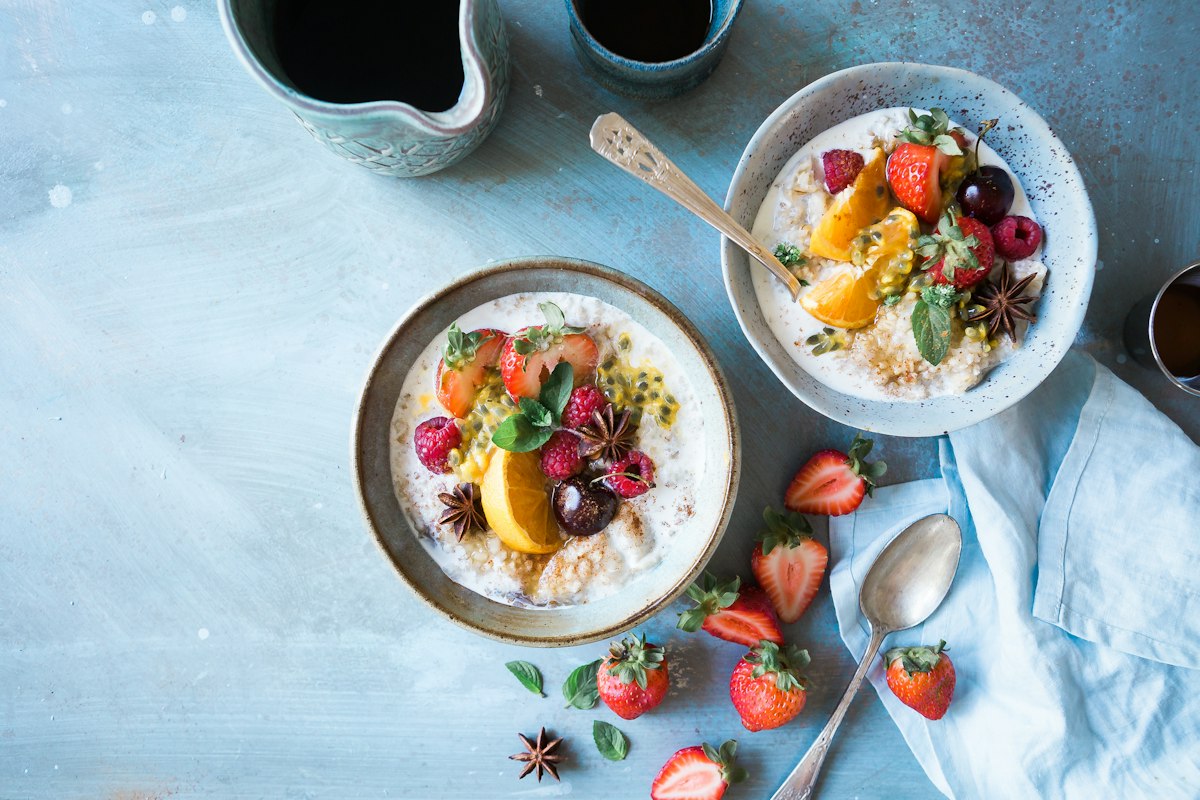
A morning meal anchored by protein and fiber — such as eggs with sautéed spinach, or plain oat porridge topped with berries and a spoonful of almond butter — sets a steadier foundation for the rest of the day. Skipping breakfast often leads to larger, less balanced meals later. Our breakfast guides explore dozens of quick, satisfying options compatible with blood-sugar-aware eating.
Build a Balanced Plate at Lunch
A practical visual approach: fill half your plate with non-starchy vegetables, one quarter with a lean protein source, and one quarter with a slow-release carbohydrate such as lentils or whole-grain bread. A drizzle of olive oil and fresh herbs completes the picture. This format is flexible enough to suit classic French brasserie-style salads or homemade midday meals alike.
Choose Smart Afternoon Snacks
Rather than reaching for a biscuit or pastry mid-afternoon, our editorial team highlights snack pairings that combine fiber and protein: a small handful of walnuts with a few slices of apple, or a small pot of plain yogurt with seeds. These combinations satisfy hunger without a sharp glucose spike, keeping your energy more stable until dinner.
Keep Dinner Light and Early
Nutritional research consistently highlights the benefit of eating the evening meal at least two to three hours before sleep. A lighter dinner centered on vegetables and a moderate serving of protein — a ratatouille with poached fish, for instance — helps the body wind down more efficiently. Our dinner guides explore a wide range of satisfying, French-inspired options that keep portions thoughtful without feeling restrictive.
Foods to Limit for Steadier Blood Sugar
Understanding which foods tend to cause rapid glucose fluctuations is just as valuable as knowing which ones to prioritize. Our editorial content covers both sides of the equation with clarity and without unnecessary alarm.
- Refined grains — white bread, white rice, and standard pasta break down quickly. Our guides suggest whole-grain alternatives available in most French supermarkets.
- Sweetened beverages — sodas, fruit nectars, and heavily sweetened café drinks deliver glucose rapidly. We highlight unsweetened alternatives and herbal teas that suit the French café culture.
- Ultra-processed snacks — biscuits, croissants, and packaged pastries combine refined flour with added sugars and fats. Our snack articles identify satisfying alternatives.
- Large portion sizes — even healthy foods can affect glucose balance when eaten in excess. Our portion guidance articles address this nuance with practical visual tools.
Common Questions About Diabetic-Friendly Eating
Our editorial team has gathered the questions readers ask most often. Every answer links to a deeper article where the topic is explored fully.
Can I still eat bread if I am following a blood-sugar-aware diet?
Yes — the key is choosing whole-grain or sourdough varieties over refined white bread, and keeping portion sizes moderate. Many French bakeries now offer pain complet and pain de seigle, which have a slower glucose impact. Our article on bread alternatives explores the best options available across France.
Are fruits off-limits for a blood-sugar-aware diet?
Not at all. Whole fruits — especially berries, cherries, and citrus — contain fiber that moderates how quickly their natural sugars enter the bloodstream. The key is portion size and pairing fruit with protein or fat. Fruit juice, however, is a different story, as the fiber is removed. Our fruit guide covers which varieties to prioritize and when to eat them during the day.
How does the Glycemic Index help with food choices?
The Glycemic Index (GI) ranks foods by how quickly they raise blood sugar compared to pure glucose. Foods with a lower GI value are generally preferable for keeping blood sugar more stable. However, GI alone doesn't tell the whole story — portion size and food combinations also matter greatly. Our dedicated GI explainer article walks through how to use this tool practically without becoming overly rigid.
Is it possible to eat out in restaurants while following these guidelines?
Absolutely. French restaurant menus typically feature grilled proteins, salads, and vegetable side dishes that align well with blood-sugar-aware principles. The main areas to navigate are sauces, bread baskets, and desserts. Our restaurant guide for France provides specific ordering strategies for brasseries, bistros, and even fast-casual spots.
What are the best salads to include in a daily diet?
Salads built on a base of dark leafy greens — such as mâche, rocket, or spinach — and topped with grilled chicken, sardines, hard-boiled eggs, or chickpeas make excellent balanced meals. Dress them with olive oil and lemon rather than creamy or sweetened dressings. Our salad collection article features twelve specific salad ideas with preparation notes and nutritional context.
Does cooking method affect how food impacts blood sugar?
Yes, significantly. Boiling or steaming vegetables preserves fiber structure, while overcooking can break down cell walls and raise the effective glycemic response. For starchy foods like pasta, cooking to "al dente" results in a lower glycemic effect than fully soft cooking. Our cooking methods guide explains these differences in straightforward terms with practical kitchen tips.
Featured Articles & Guides
Our editorial team regularly publishes in-depth, reader-friendly content on food choices, meal structures, and nutritional patterns. Here is a sample of what you'll find.
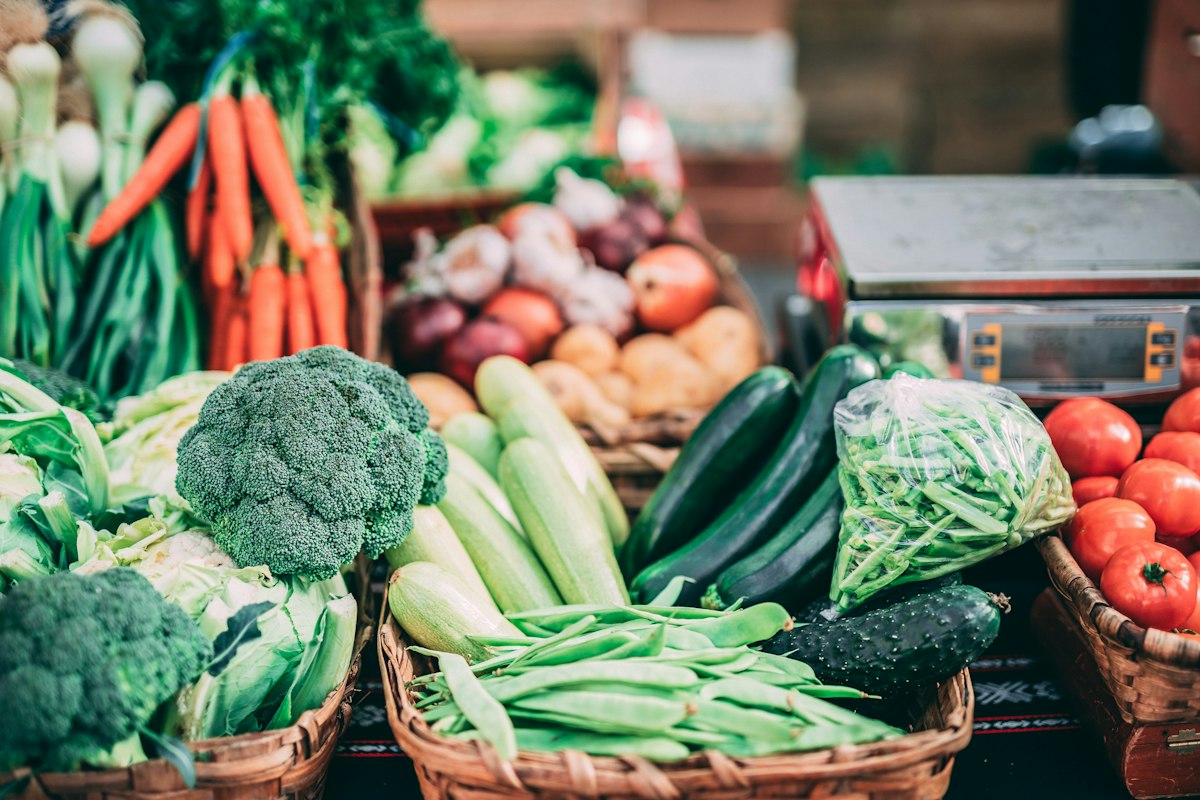
10 Blood-Sugar-Friendly Breakfasts You Can Make in 10 Minutes
From overnight oats with chia seeds to scrambled eggs with avocado on rye toast — quick, satisfying mornings that set the tone for the whole day.
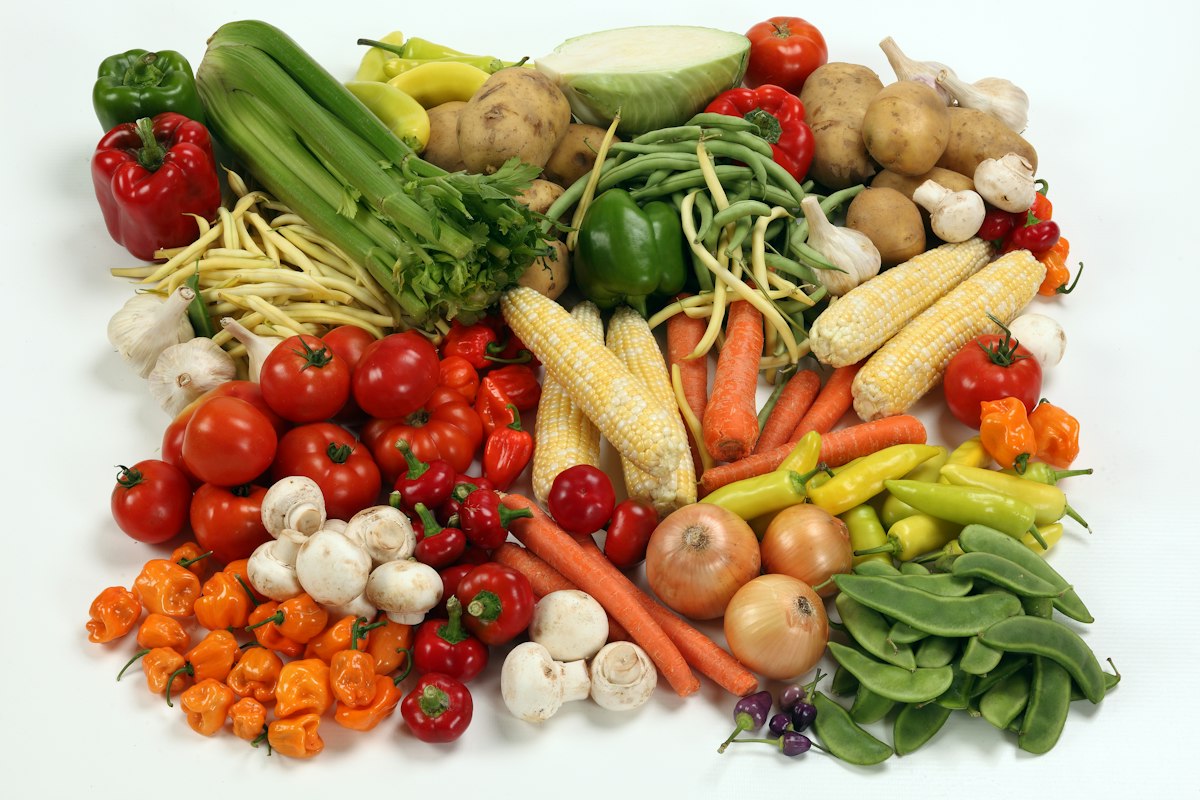
The Best Salads for Stable Energy: A French-Inspired Collection
Twelve salad ideas rooted in Mediterranean and French culinary traditions — all built to deliver fiber, protein, and healthy fats in every forkful.
How to Build a Week of Blood-Sugar-Aware Meals Without Stress
A step-by-step editorial guide to planning Monday through Sunday with balanced nutrition, realistic portions, and flavors the whole household can enjoy.
Our Editorial Standards
Every article published on Diabeticfoodguideinfo is held to consistent editorial values that readers in France and beyond can rely on.
Evidence-Based
All nutritional claims reference current scientific literature, clinical guidelines, or registered dietitian expertise.
Regularly Updated
Content is reviewed and refreshed as new research emerges, so you always receive the most current guidance available.
Reader-First
We write for real people managing real lives — jargon-free, actionable, and compassionate in tone throughout every piece.
Editorially Independent
No sponsor or advertiser influences our recommendations. Our only obligation is accuracy and your wellbeing.
What Our Readers Say
People living with diabetes across France and beyond share how Diabeticfoodguideinfo has helped them take back control of their plate — and their health.
"I was diagnosed with type 2 diabetes last year and felt completely lost in the kitchen. Diabeticfoodguideinfo gave me clear, practical meal ideas that I actually enjoy eating. My last HbA1c was the best it has ever been."
Marie-Claire D.
Lyon, France · Type 2 Diabetes
"As a caregiver for my father who has type 1 diabetes, the glycemic index guides on this site have been invaluable. The explanations are so clear — I finally understand how different foods affect his blood sugar levels."
Sophie T.
Bordeaux, France · Family Caregiver
"The 'foods to avoid' articles genuinely surprised me — I had no idea some 'healthy' foods were spiking my glucose. Since following the snack guides here, I have cut my afternoon spikes significantly. Highly recommend to anyone newly diagnosed."
Philippe R.
Paris, France · Pre-Diabetes
Frequently Asked Questions
Quick answers to the questions we hear most often from readers who are just starting their journey with diabetes-friendly nutrition.
Is there a single "diabetic diet" everyone should follow?
No single diet fits every person with diabetes. Individual blood sugar responses, medications, activity levels, and cultural food preferences all matter. Our guides present a range of evidence-backed approaches — Mediterranean, low-GI, low-carb — so you and your healthcare team can choose what suits you best.
Can people with diabetes eat fruit?
Yes — most whole fruits are suitable in moderate portions. Their natural fibre slows sugar absorption compared to fruit juice. Berries, cherries, and apples tend to have a lower glycemic impact, while very ripe tropical fruits like watermelon or mango are best enjoyed in smaller amounts. Our fruit guide breaks this down in full detail.
Are carbohydrates completely off-limits?
Not at all. The type and quantity of carbohydrate matters far more than eliminating the entire food group. Legumes, wholegrains, vegetables, and low-GI options provide fibre, vitamins, and steady energy. Refined carbohydrates — white bread, sugary drinks, pastries — are the ones worth limiting most carefully.
Should I consult a doctor before changing my diet?
Absolutely. Diabeticfoodguideinfo provides educational information, not personalised medical advice. Any significant dietary change — especially if you take insulin or glucose-lowering medication — should be discussed with your doctor, endocrinologist, or registered dietitian first to avoid hypoglycaemia or other complications.
Is the content relevant for readers in France specifically?
Yes. While our nutritional science is universal, we pay close attention to foods commonly available in French supermarkets, traditional French meal patterns, and European food labelling conventions so our guidance feels relevant and immediately applicable for readers based in France.
Start Eating Well for Your Blood Sugar — Today
Explore our full library of free, science-backed guides, meal ideas, and food lists. No subscription, no fee — just clear information to help you live well with diabetes.
The information on Diabeticfoodguideinfo is for educational purposes only and does not constitute medical advice. Always consult a qualified healthcare professional before making changes to your diet or treatment plan.