
Eat Smart Every Day: Your Diabetic-Friendly Diet Guide
Navigating daily nutrition when managing blood sugar can feel overwhelming. Our editorial team brings you clear, practical guidance on which foods to include, which to limit, and how to build satisfying meals that support stable energy throughout the day.
Core Principles for Daily Blood Sugar Balance
Understanding these nutritional fundamentals helps readers make informed, confident food choices every single day.
Fiber-Rich Choices
Dietary fiber slows glucose absorption and promotes lasting satiety. Prioritizing high-fiber vegetables, legumes, and whole grains is a cornerstone of balanced daily eating for blood sugar management.
Low Glycemic Index
Choosing foods with a low or moderate glycemic index means a gentler, more gradual rise in blood glucose. Understanding the GI of everyday foods is a key skill for building a smarter plate.
Portion Awareness
Even nutritious foods can affect blood glucose when eaten in large quantities. Learning how to build appropriately sized, well-balanced meals is just as important as which foods to select.
Top Daily Food Categories to Include in Your Diet
These are the food groups our editorial team highlights most consistently in research-based guidance for steady, day-to-day blood sugar support.
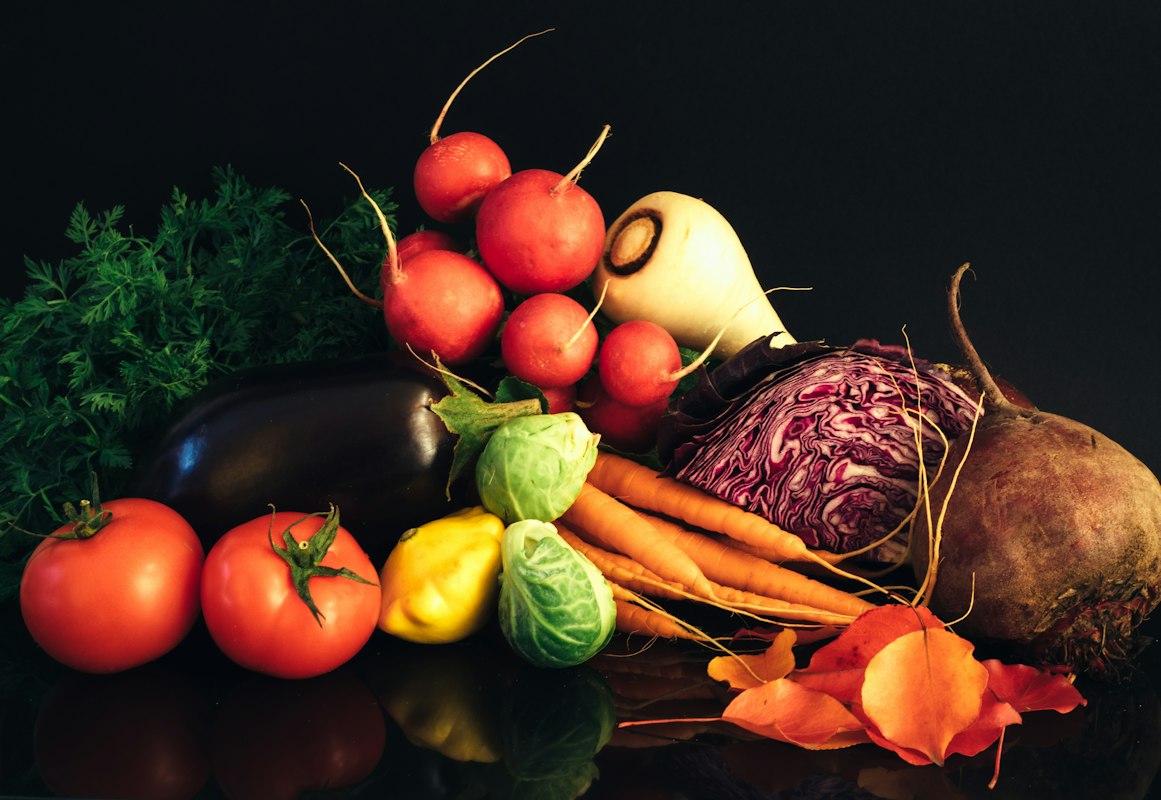
Non-Starchy Vegetables
Spinach, broccoli, cauliflower, zucchini, green beans, and peppers are exceptional daily staples. Rich in vitamins, minerals, and fiber, they provide volume and nutrition with a minimal impact on blood glucose levels.
Read the full guide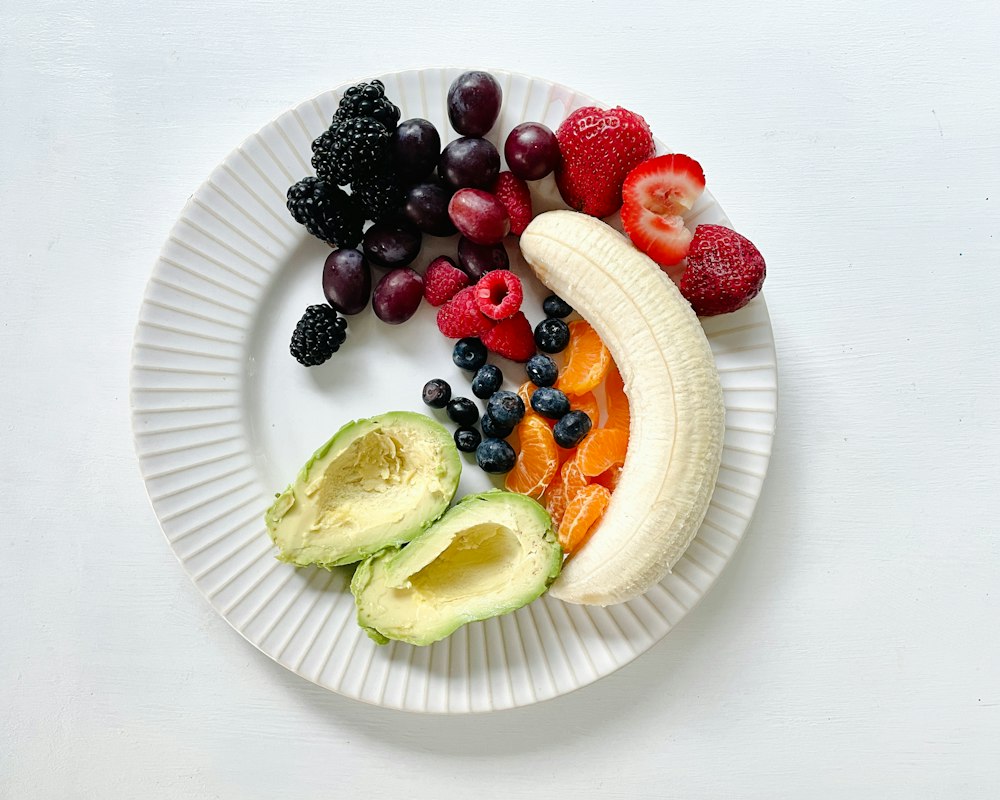
Lean & Plant-Based Proteins
Eggs, skinless poultry, fatty fish like salmon and mackerel, tofu, and lentils are all excellent protein sources. Protein slows digestion, helps maintain muscle mass, and contributes to more stable post-meal glucose responses.
Read the full guide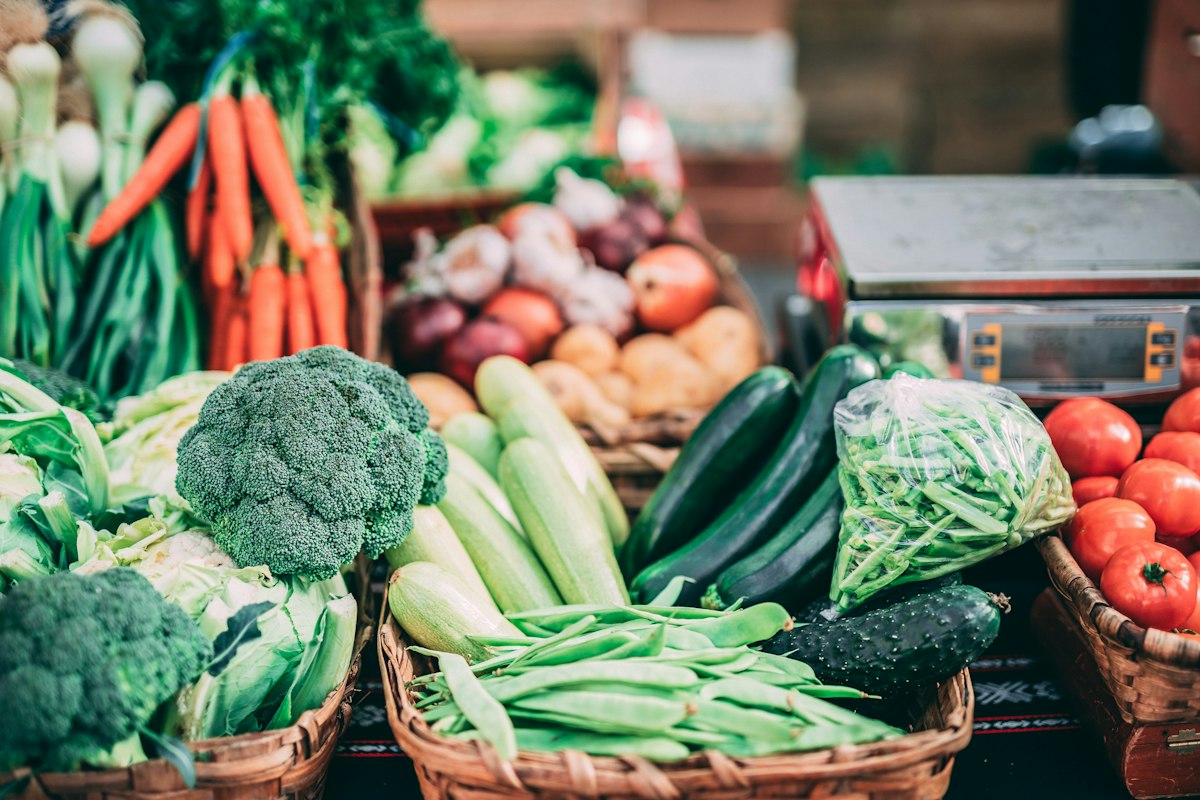
Whole Grains & Complex Carbs
Oats, barley, buckwheat, and whole rye bread are low-GI carbohydrate choices that release energy slowly. They provide the sustained fuel the body needs while limiting sharp spikes in blood glucose after meals.
Read the full guide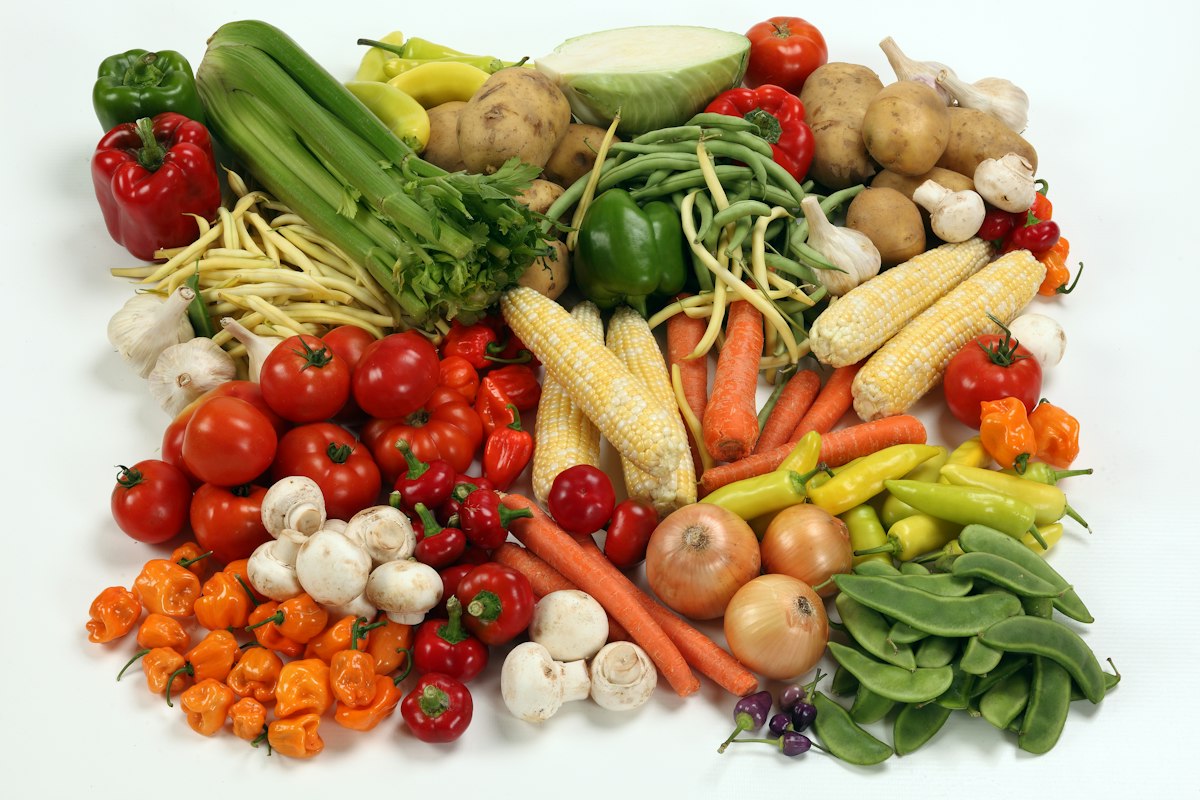
Healthy Fats & Nuts
Avocado, walnuts, almonds, chia seeds, flaxseeds, and extra-virgin olive oil supply heart-supportive unsaturated fats. They slow digestion, reduce hunger between meals, and support a more balanced nutritional profile overall.
Read the full guide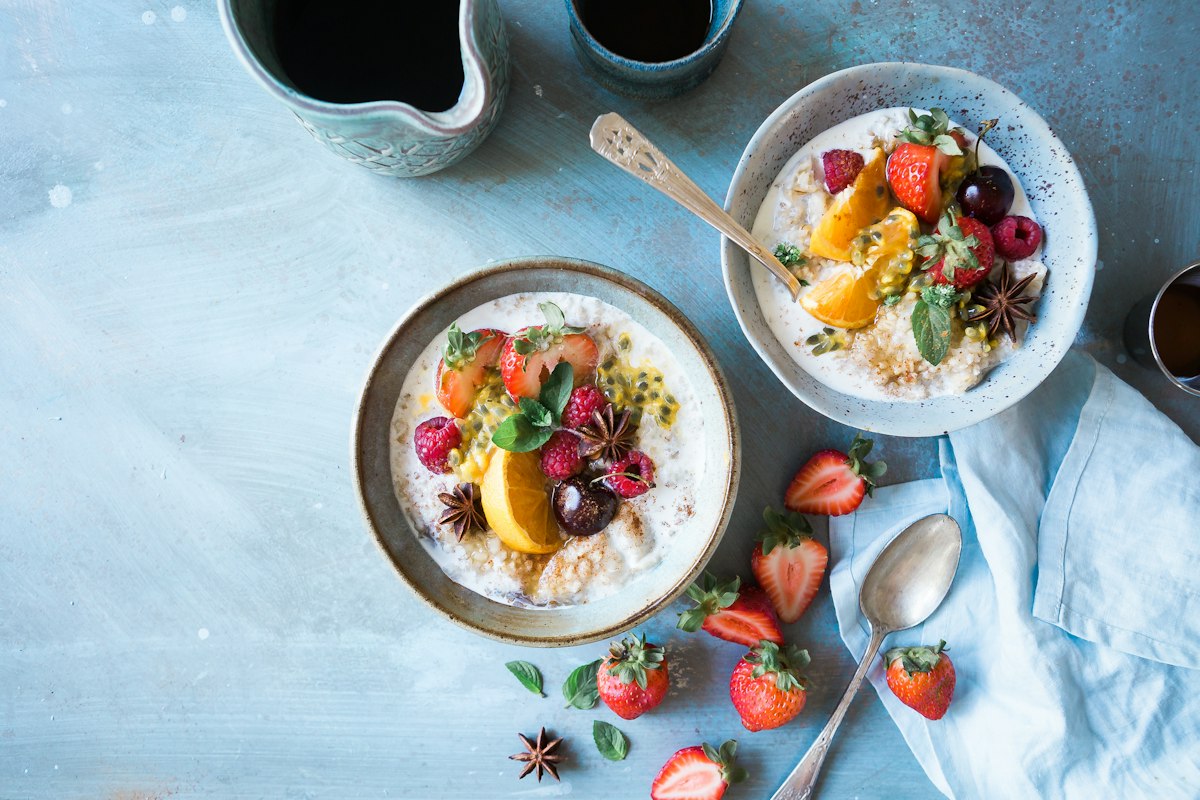
Low-Sugar Fruits & Berries
Berries — blueberries, raspberries, strawberries — are especially well-suited to a blood-sugar-conscious lifestyle. They are rich in antioxidants and fiber while containing relatively modest amounts of natural sugars compared to tropical fruits.
Read the full guide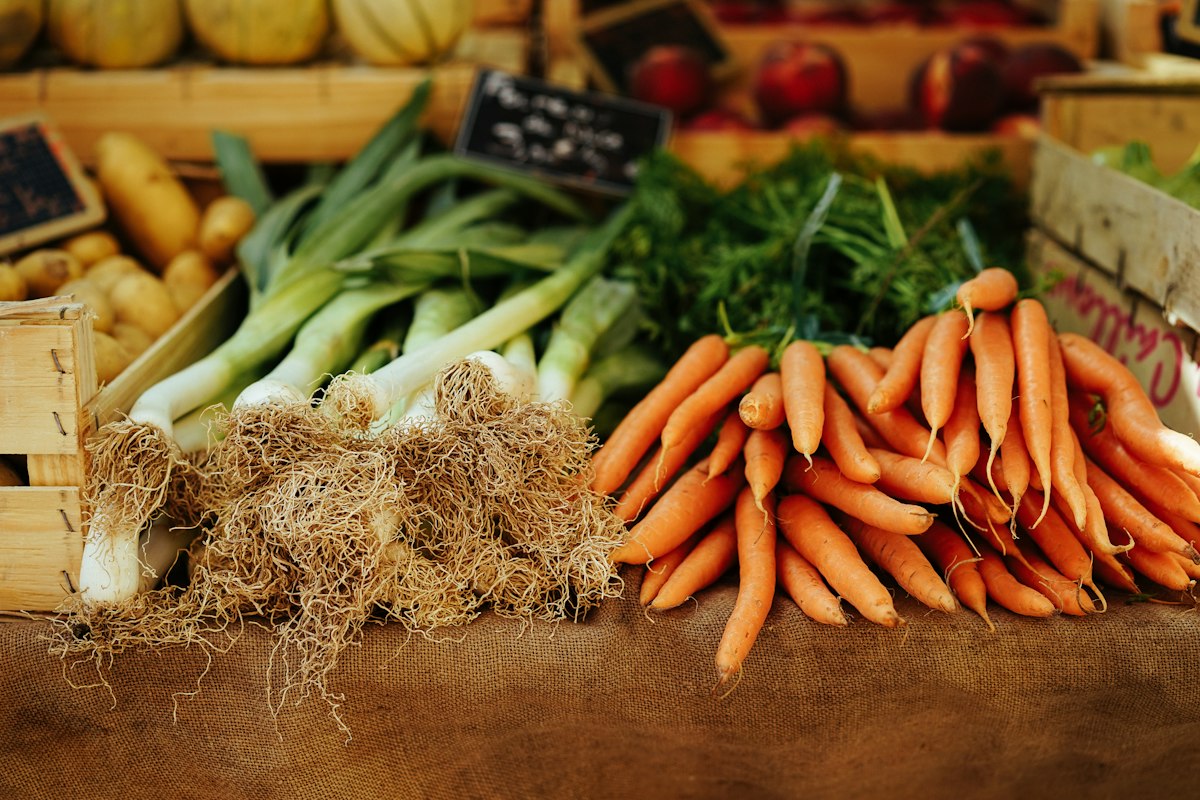
Plain Dairy & Fermented Foods
Unsweetened Greek yogurt, kefir, and fermented vegetables like sauerkraut support gut health and provide protein and calcium without added sugars. A healthy gut microbiome is increasingly linked to better glucose regulation in everyday life.
Read the full guideHow to Build a Balanced Plate for Blood Sugar Control
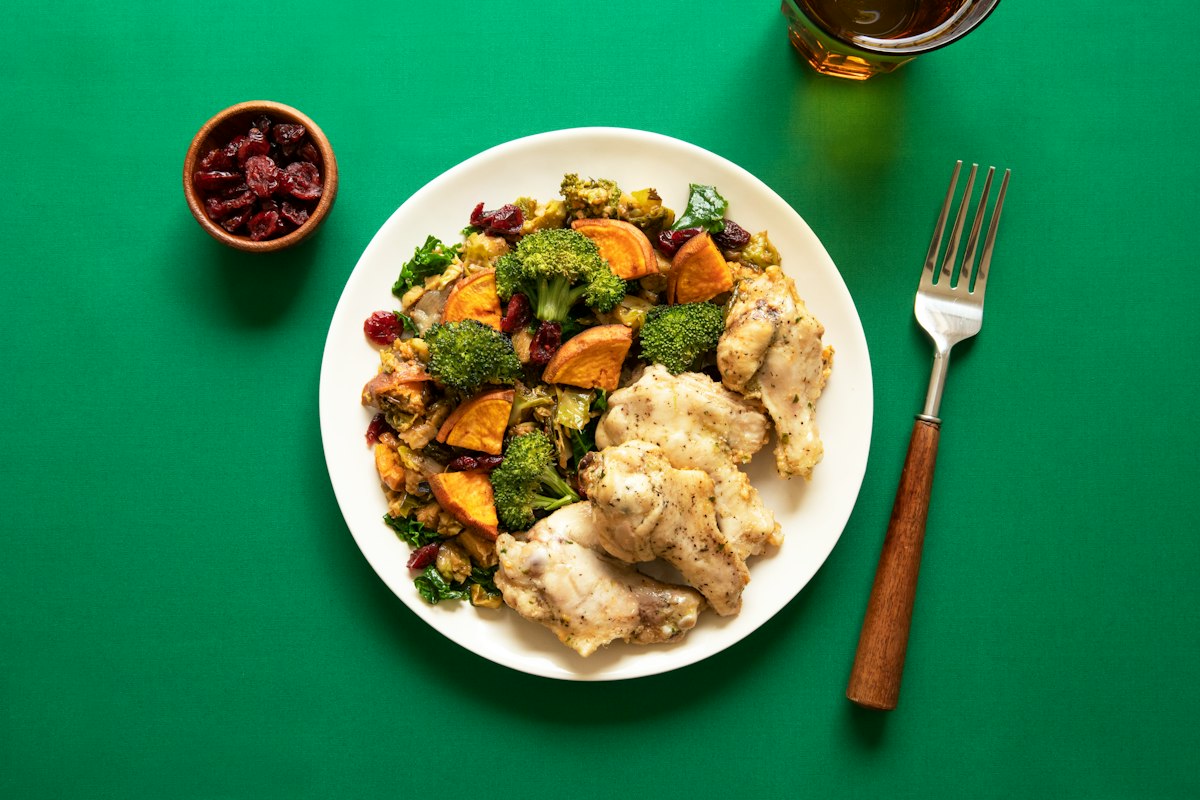
One of the most widely recommended visual tools for building a balanced meal is the Plate Method. It involves dividing your plate into clear sections: half filled with non-starchy vegetables, one quarter with lean protein, and the remaining quarter with a complex carbohydrate source. This structure gives readers a simple, repeatable framework for every meal.
Adding a small portion of healthy fat — such as a drizzle of olive oil on vegetables, or a few slices of avocado — further slows the digestion of carbohydrates and contributes to a satisfying, well-rounded meal. Pairing this with adequate hydration (primarily water or unsweetened herbal teas) rounds out a smart daily routine.
- Half your plate: Non-starchy vegetables like leafy greens, broccoli, and cucumber.
- One quarter: Quality protein such as grilled fish, eggs, or legumes.
- One quarter: Slow-release carbohydrates — oats, brown rice, or whole grain bread.
- A small side: Healthy fat from avocado, nuts, or extra-virgin olive oil.
Common Questions About Diabetic-Friendly Eating
Our editorial team has compiled the questions readers ask most frequently about building a daily diet that supports balanced blood sugar levels.
Can people with high blood sugar eat fruit?
Yes, but fruit selection and portion size matter. Low-sugar fruits such as berries, cherries, and green apples are generally well-suited to a blood-sugar-conscious diet. High-sugar options like mangoes, grapes, and pineapple are best enjoyed in small portions and not daily. Eating fruit alongside protein or fat can also help moderate its glycemic impact.
Is bread completely off limits?
Not at all. The type of bread makes all the difference. White bread and soft rolls are rapidly digested and cause quick blood sugar rises. Whole grain rye bread, sourdough made from whole wheat, and seeded loaves digest much more slowly. Reading ingredient labels and choosing options with whole grains listed first helps readers make better daily choices.
How many meals should be eaten per day?
Most nutrition guidance suggests three structured meals per day, with small, planned snacks if needed to prevent long gaps without food. Consistency in meal timing helps maintain more stable energy levels throughout the day. Skipping meals, especially breakfast, can lead to compensatory overeating and more pronounced blood sugar swings later in the day.
Are potatoes something to avoid entirely?
Potatoes are a starchy vegetable with a relatively high glycemic index when baked or mashed. However, cooled boiled potatoes have a lower GI due to resistant starch formation. Sweet potatoes tend to have more fiber and a lower GI than regular white potatoes. Portion control and preparation method are key factors here rather than complete avoidance.
What are the best snacks between meals?
Good between-meal snacks combine protein and fiber to provide sustained energy without sharp glucose rises. A small handful of unsalted nuts, a portion of plain Greek yogurt with berries, sliced cucumber with hummus, or a boiled egg with a slice of whole grain crispbread are all practical, nourishing options that are also easy to prepare.
Is it possible to still enjoy sweet flavors?
Absolutely. Many naturally sweet foods, such as cinnamon, vanilla, and certain fruits, satisfy a sweet craving without spiking blood glucose. Baking with almond flour, using unsweetened cocoa, or adding berries to plain yogurt can create genuinely enjoyable desserts. The goal is to find real-food alternatives that feel indulgent rather than like a compromise.
Foods to Avoid vs. Foods to Embrace Every Day
Making better daily choices starts with knowing which foods tend to disrupt blood sugar balance and which ones support it. Our guides cover these contrasts in detail.
Foods to Limit Daily
-
Sugary Beverages
Sodas, fruit juices, energy drinks, and sweetened coffees deliver a large amount of rapidly absorbed sugar with no fiber to slow it down. Even 100% fruit juice spikes blood glucose quickly.
-
Refined White Carbohydrates
White bread, white rice, regular pasta, and pastries are stripped of fiber and digest rapidly. They rank high on the glycemic index and cause significant post-meal glucose rises.
-
Ultra-Processed Snack Foods
Packaged crisps, crackers, cookies, and cereal bars frequently contain hidden sugars, trans fats, and refined starches that make blood sugar harder to keep steady throughout the day.
-
Fried & High-Fat Processed Meats
Sausages, bacon, fried chicken, and deli meats often combine saturated fats and sodium in ways that put additional strain on cardiovascular health and complicate overall dietary balance.